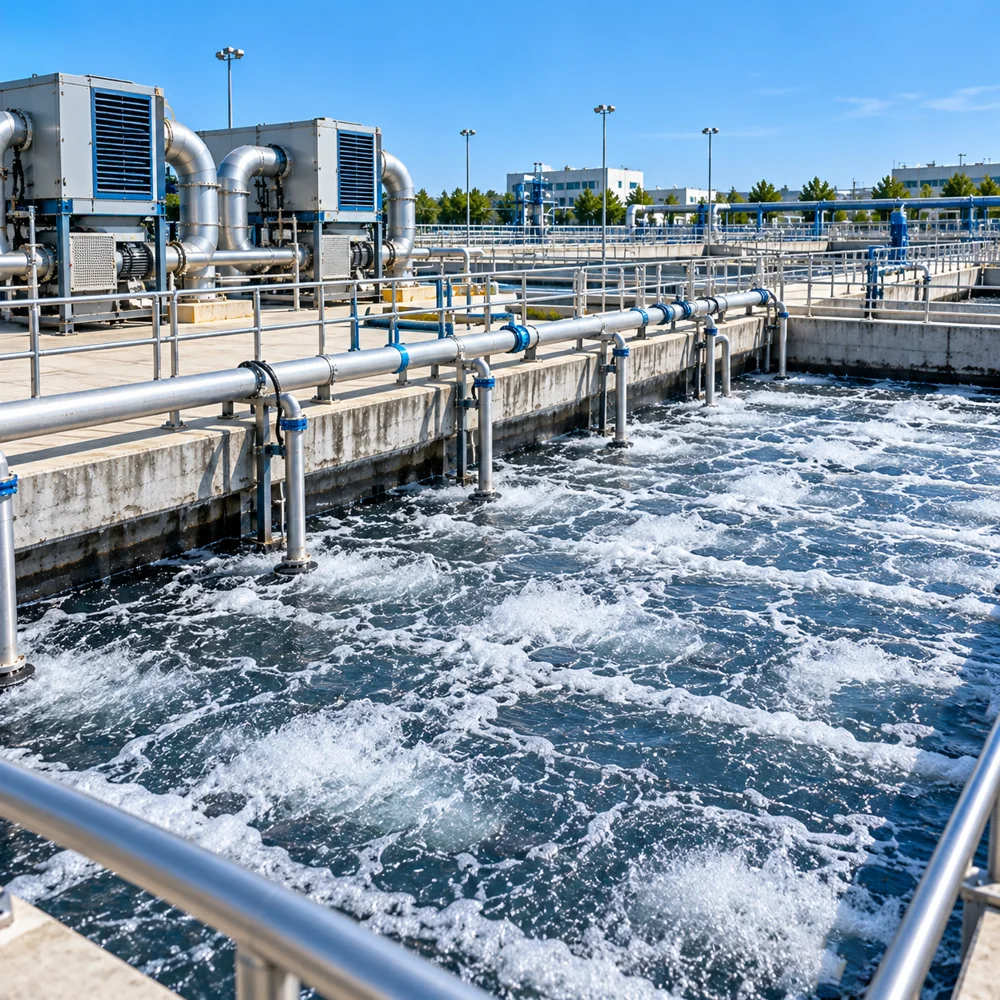
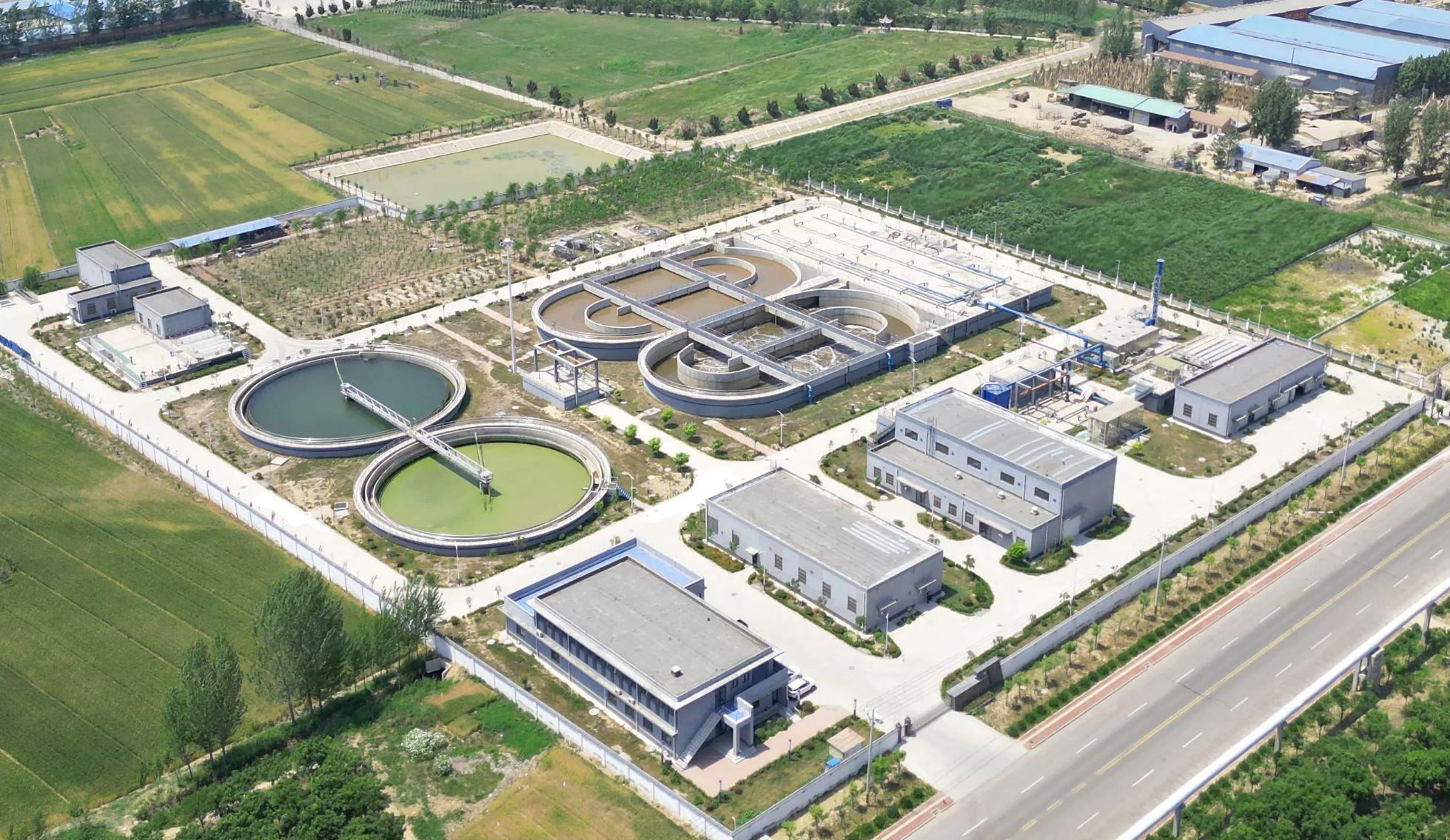
1. Municipal Projects Require More Than Equipment
Reliable Treatment Starts with the Right Equipment Configuration
Municipal wastewater projects must meet effluent requirements while managing variable influent conditions, energy consumption and long-term operating costs. ODMS helps EPC contractors and engineering teams select equipment based on actual process conditions, installation constraints and project requirements.
01 | Effluent Quality & Process Stability
Equipment performance must support treatment objectives under changing influent flow and pollutant loads.
02 | Energy & Operating Costs
Aeration, pumping, mixing and sludge handling equipment should be selected with operating efficiency and lifecycle costs in mind.
03 | Retrofit & Installation Constraints
Existing treatment plants may require equipment replacement or upgrades within limited space, shutdown windows and civil structures.
04 | Equipment & System Compatibility
Blowers, diffusers, mixers, pumps and other equipment must be matched to process requirements, hydraulic conditions and control interfaces.
2. Equipment Solutions Across the Treatment Process
From Wastewater Transfer to Biological Treatment and Sludge Dewatering
ODMS supplies wastewater treatment equipment for key stages of municipal treatment processes. Equipment packages are configured according to the selected treatment process, design capacity, operating conditions and project scope.
01 | Wastewater Transfer & Preliminary Treatment
Equipment: Submersible Sewage Pumps · Rotary Drum Microscreen Filters
Submersible pumps support wastewater transfer, while rotary drum microscreen filters provide fine screening where required. Equipment selection considers flow rate, solids characteristics, hydraulic conditions and installation requirements.
02 | Physicochemical Treatment & Clarification
Equipment: DAF Systems · Sludge Scrapers · Chemical Dosing Systems
Dissolved air flotation, chemical dosing and sludge collection equipment support applicable solid-liquid separation and clarification processes. Configurations are selected according to water quality, treatment objectives and process design.
03 | Biological Treatment & Aeration
Equipment: Magnetic Levitation Turbo Blowers · Disc Diffusers · Tube Diffusers · TPU Aeration Hoses · Submersible Mixers · Flow Propellers
ODMS supports biological treatment through coordinated air supply, oxygen transfer and hydraulic mixing. Blowers and aeration systems are selected together based on oxygen demand, tank geometry, operating water depth, airflow and pressure requirements.
04 | Aeration System Engineering
Blower airflow and pressure are coordinated with diffuser selection, oxygen demand, tank geometry and operating conditions to support efficient and reliable aeration system performance.
05 | Sludge Treatment & Dewatering
Equipment: Multi-Disc Screw Presses · Decanter Centrifuges · Polymer Preparation & Dosing Systems
Sludge dewatering and conditioning equipment is selected according to sludge characteristics, feed solids concentration, treatment capacity and target cake solids.
CTA: Discuss Your Equipment Requirements
3. Engineered Around Your Project Conditions
From Operating Data to Equipment Configuration
ODMS supports equipment selection and engineering coordination based on actual treatment conditions. We review process requirements, equipment duty points and installation interfaces to help reduce specification mismatches and integration risks.
01 | Process & Operating Data Review
Evaluate design flow, influent characteristics, effluent targets, process configuration and operating conditions to establish equipment requirements.
02 | Equipment Sizing & Performance Matching
Verify equipment capacity and operating ranges. For aeration systems, coordinate blower airflow and pressure with diffuser oxygen-transfer requirements, water depth and piping losses.
03 | Installation & Interface Coordination
Review equipment dimensions, civil interfaces, piping connections, electrical supply, control requirements and maintenance access for new or existing facilities.
04 | Technical Documentation & Project Support
Provide applicable equipment specifications, performance data, drawings and installation information to support engineering review, procurement and project implementation.
4. Reliability Is Engineered — Not Assumed.
Built Into Equipment Selection, Engineering Coordination and Delivery Verification
Reliable equipment supply requires more than meeting a specification sheet. ODMS focuses on three essential stages to help EPC contractors and equipment buyers manage technical requirements, project interfaces and delivery quality.
01 | Reliable Equipment Configuration
Equipment Selected for Actual Operating Conditions
Equipment models, materials and key components are evaluated against project specifications, operating duty and required performance, with supply scope and configuration clearly defined.
02 | Precision Engineering Coordination
Technical Details Reviewed Before Delivery
Dimensions, connections, electrical requirements, controls and maintenance access are coordinated to help reduce installation conflicts and equipment integration risks.
03 | Rigorous Delivery Verification
Inspection and Testing Against Agreed Requirements
Applicable inspections, functional checks and performance tests are carried out according to equipment type and agreed project requirements, with relevant records available for review.
5.Get the Right Equipment for Your Municipal Project
Whether you need a single machine, multiple equipment types, or a complete equipment package, ODMS provides tailored recommendations based on treatment capacity, process requirements, and project needs.
Share your project specifications for equipment selection and a quotation.