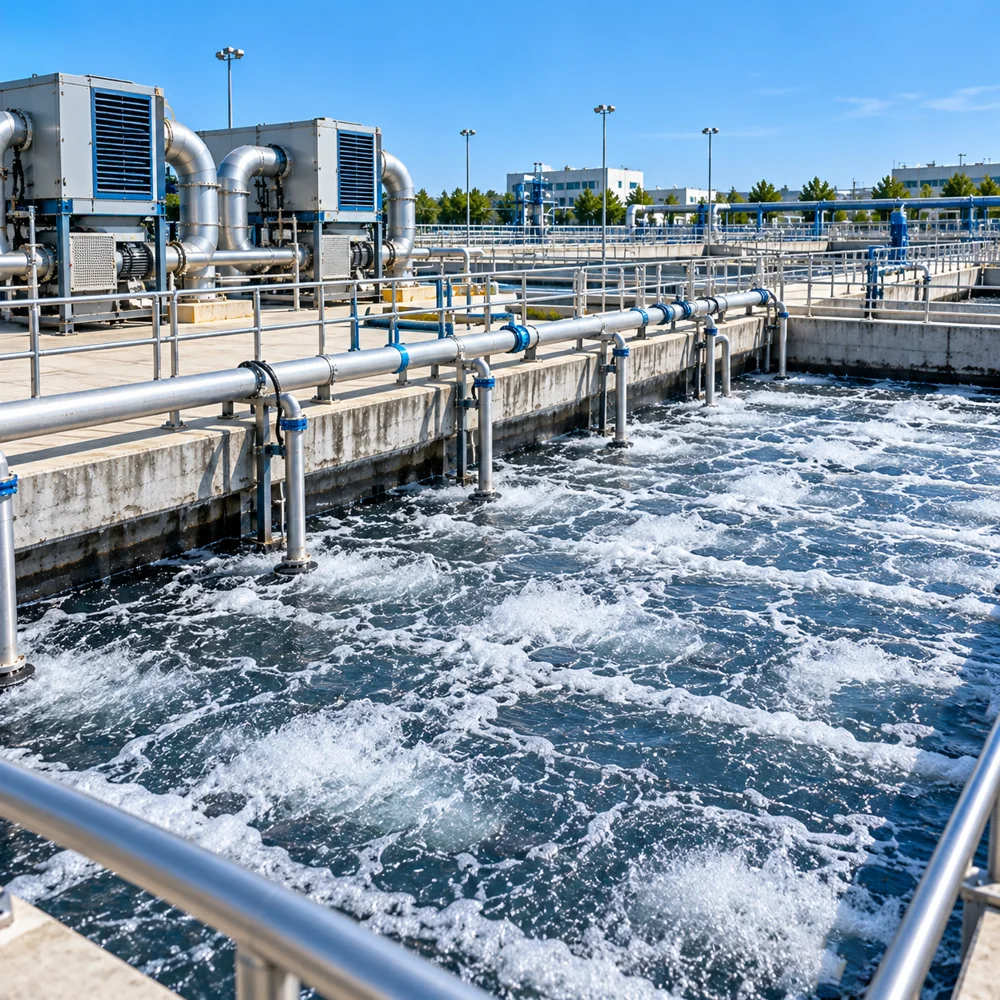
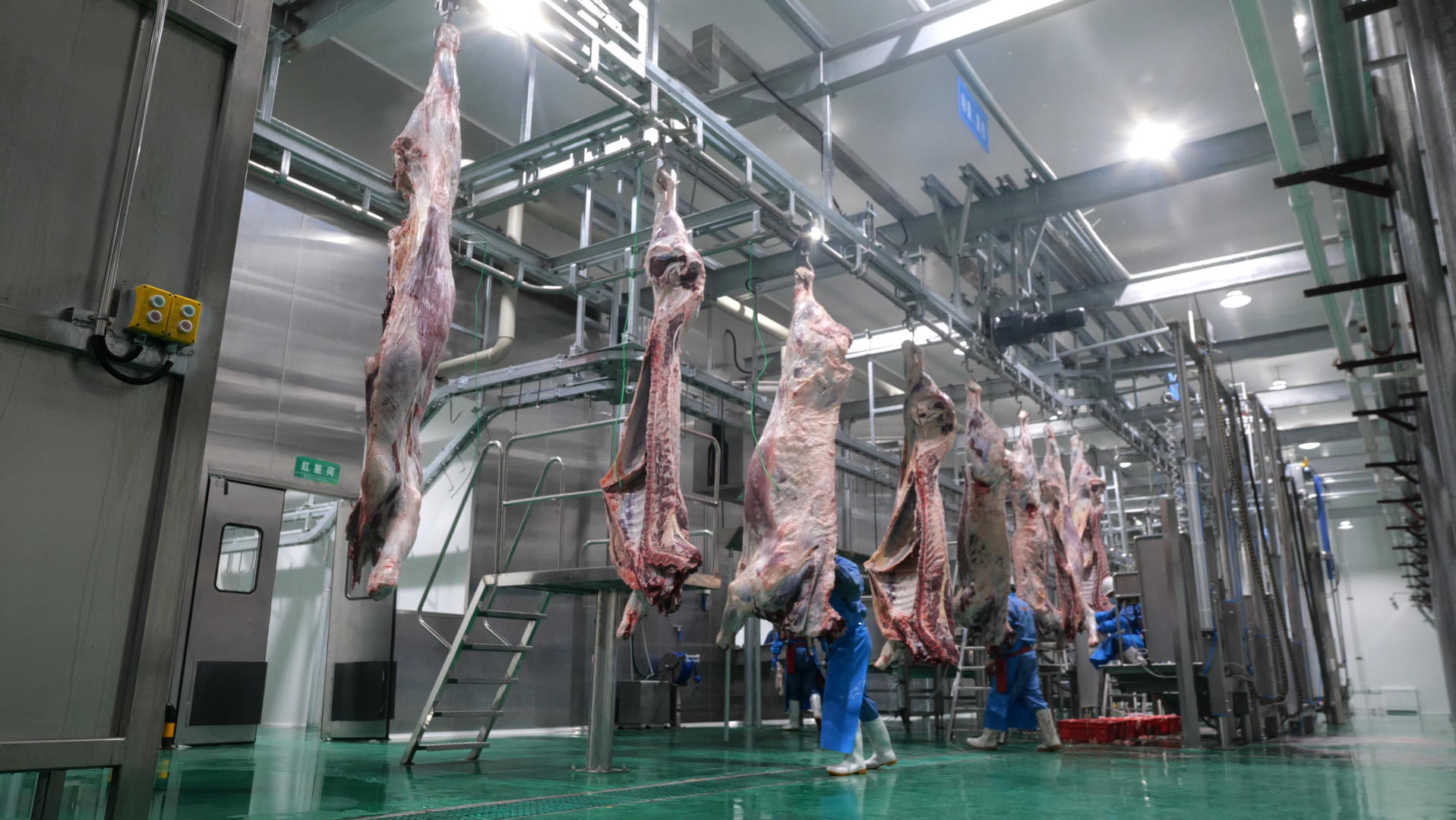
1. Treatment Challenges in Slaughterhouse Wastewater
Slaughterhouse wastewater often contains blood, proteins, fats, oils, grease, hair and suspended solids. Wastewater flow and pollutant concentrations may vary with slaughtering schedules and cleaning operations. Equipment must be selected to address solids loading, organic treatment demand and sludge handling requirements.
High Organic Loads — Blood and protein residues increase COD and BOD, requiring biological treatment equipment matched to the process oxygen demand.
Fats, Oils & Grease — FOG can interfere with downstream treatment. Flotation and chemical conditioning must be evaluated against actual wastewater characteristics.
Hair & Suspended Solids — Screening performance depends on particle size, solids loading and the risk of blockage.
Variable Production Loads — Operating ranges and equipment controls must accommodate changes in wastewater flow and composition.
2. Treatment Process & Equipment Solutions
Process-Based Equipment Selection for Slaughterhouse Wastewater
Slaughterhouse wastewater treatment commonly combines preliminary solids removal, equalization, physicochemical separation and biological treatment. The final process depends on wastewater characteristics and discharge requirements.
ODMS Equipment Across the Process
Wastewater Transfer & Screening: Submersible sewage pumps and rotary drum microscreen filters, selected according to solids characteristics and hydraulic requirements.
FOG & Solids Separation: DAF systems and chemical dosing equipment for suitable flotation and coagulation-flocculation applications.
Biological Treatment: Magnetic levitation turbo blowers, disc diffusers, tube diffusers, TPU aeration hoses, submersible mixers and flow propellers.
Sludge Treatment: Multi-disc screw presses, decanter centrifuges and polymer preparation and dosing systems.
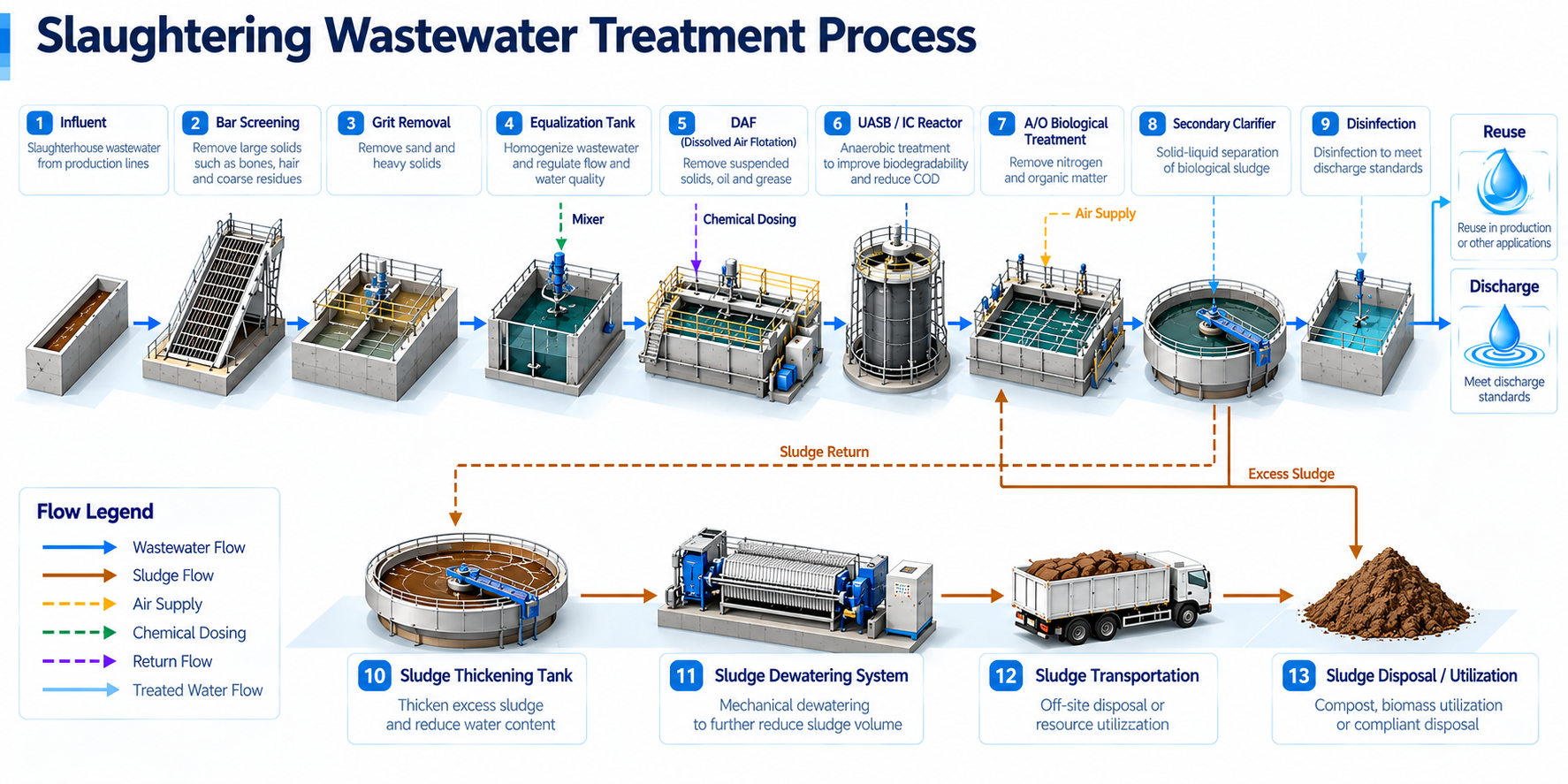
Reference Process Flow
Screening → Equalization → DAF / Physicochemical Separation → Biological Treatment & Aeration → Secondary Clarification → Further Treatment / Discharge
Separate Sludge Line: Flotation Sludge + Biological Sludge → Sludge Conditioning → Dewatering
3. Engineered Around Your Operating Conditions
Wastewater Characterization: Review flow, COD, BOD, TSS, FOG, pH, temperature and load fluctuations to establish equipment requirements.
DAF & Pretreatment Matching: Evaluate solids loading, flotation performance requirements, chemical conditioning and hydraulic capacity.
Aeration System Engineering: Match blower airflow and discharge pressure with oxygen demand, diffuser selection, water depth and piping losses.
Sludge & Installation Coordination: Review sludge characteristics, dewatering capacity, equipment dimensions, pipe connections and maintenance access.
4. Reliability Is Engineered — Not Assumed.
Reliable Configuration: Select equipment materials, components and operating ranges according to wastewater characteristics and project specifications.
Precision Engineering: Review hydraulic, mechanical, electrical and control interfaces before delivery to support installation and integration.
Rigorous Delivery Verification: Perform applicable inspections and functional tests against agreed requirements, with relevant documentation available for review.
5. Get Equipment Recommendations for Your Slaughterhouse Wastewater Project
Share Your Wastewater Data. Get Equipment Recommendations Matched to Your Process.
Planning a new facility, capacity expansion or equipment upgrade? Send your wastewater flow, COD, BOD, TSS, FOG, treatment objectives and existing process diagram or equipment list. ODMS can review your requirements and recommend suitable equipment configurations.
CTA: Request Equipment Selection & Quote