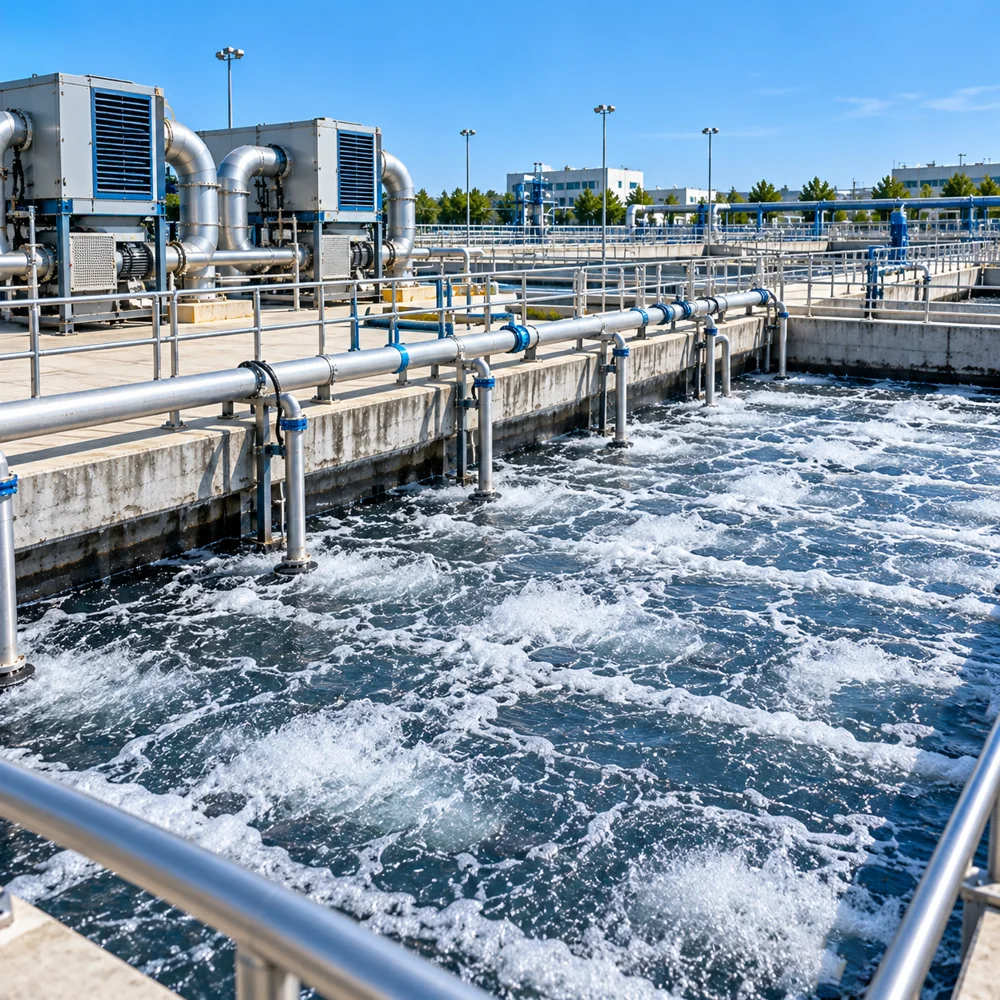
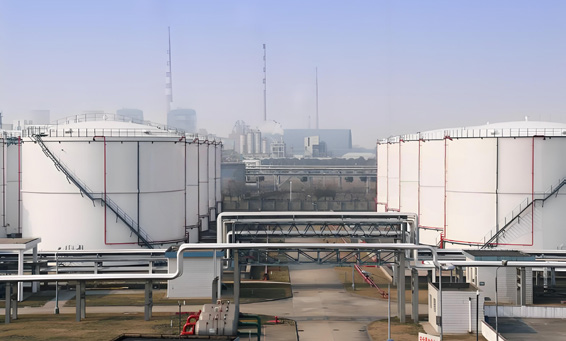
1. Treatment Challenges in Petrochemical Wastewater
Petrochemical wastewater may contain free and emulsified oils, hydrocarbons, suspended solids, dissolved organics and process chemicals. Characteristics vary between refinery, chemical production and utility wastewater streams.
Oil & Emulsions: Different oil forms require appropriate upstream separation and chemical treatment.
Complex Organic Pollutants: Some hydrocarbon-containing streams require pretreatment before biological treatment.
Chemical & Safety Requirements: Material compatibility and site-specific safety classifications influence equipment selection.
Continuous Operations: Equipment interfaces and maintenance arrangements must accommodate operating constraints.
2. Treatment Process & Equipment Solutions
Equipment Integration Across Petrochemical Wastewater Treatment Stages
Petrochemical wastewater treatment may combine oil separation, equalization, physicochemical treatment, biological treatment and advanced polishing. Specialized oil-water separators and hazardous-area equipment must be specified according to the project design.
ODMS Equipment Across the Process
Wastewater Transfer: Submersible pumps, subject to fluid properties and site safety requirements.
Physicochemical Treatment: DAF systems, chemical dosing systems and sludge scrapers for applicable process stages.
Biological Treatment: Magnetic levitation turbo blowers, disc diffusers, tube diffusers, TPU aeration hoses, submersible mixers and flow propellers where wastewater and site conditions permit.
Sludge Treatment: Multi-disc screw presses, decanter centrifuges and polymer preparation and dosing systems, subject to sludge suitability.
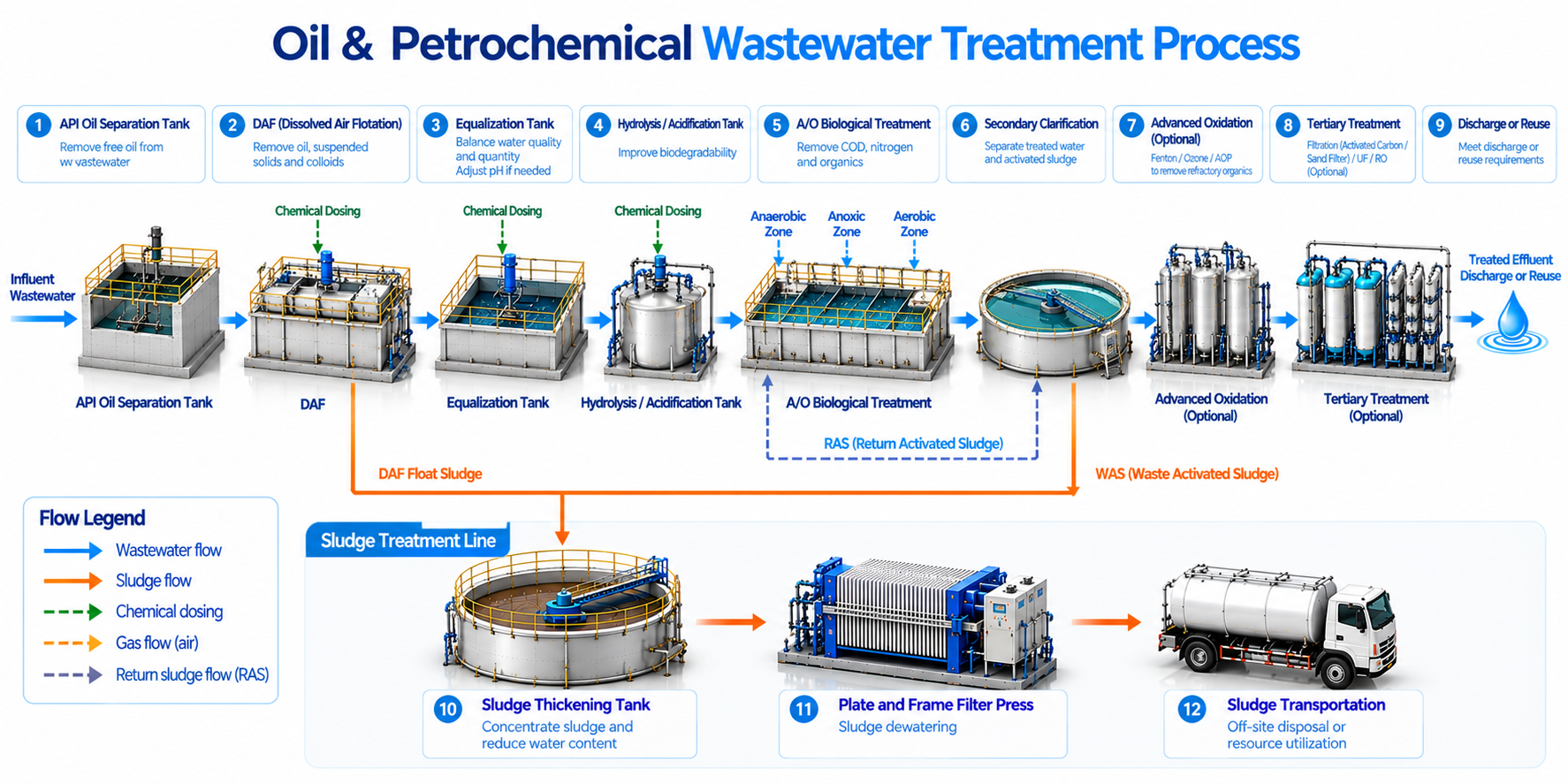
Reference Process Flow
Wastewater Collection → Oil Separation / Equalization → Coagulation & DAF (If Required) → Biological Treatment & Aeration (If Suitable) → Clarification → Advanced Treatment / Discharge
Separate Sludge Line: Oily Sludge / Physicochemical Sludge / Biological Sludge → Suitable Conditioning & Dewatering
3. Engineered for Oily & Chemically Complex Wastewater
Wastewater Review: Assess oil content and form, COD, BOD, TSS, pH, temperature and chemical composition.
Separation Equipment Matching: Evaluate DAF suitability, chemical dosing conditions and upstream oil separation requirements.
Aeration System Engineering: Match blower and diffuser performance to treated wastewater characteristics and biological oxygen demand.
Safety & Interface Coordination: Review materials, electrical classifications, installation constraints and sludge handling requirements.
4. Reliability Is Engineered — Not Assumed.
Reliable Configuration: Assess material compatibility, equipment duty and applicable safety requirements before selection.
Precision Engineering: Coordinate hydraulic, mechanical, electrical and control interfaces with the project engineering team.
Rigorous Delivery Verification: Complete applicable inspections and tests according to agreed equipment specifications and project requirements.
5. Get Equipment Recommendations for Your Petrochemical Wastewater Project
Share your wastewater analysis, oil characteristics, flow rate, treatment objectives, process diagram, equipment specifications and site safety requirements. ODMS can review equipment applicability and recommend suitable configurations.