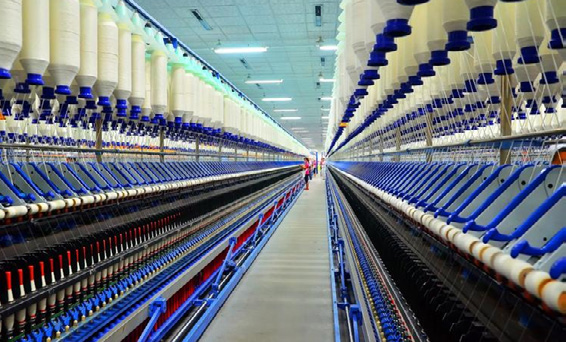
1. Textile Dyeing and Finishing Wastewater Treatment Project, Malaysia
Project Location: Malaysia
Design Wastewater Flow: 8,000 m³/d
Wastewater Type: Textile Dyeing and Finishing Wastewater
Key Equipment: Chemical Dosing System, Dissolved Air Flotation System, Magnetic Levitation Turbo Blower, Aeration Diffusers, Sludge Scraper and Multi-Disc Screw Press
Textile dyeing and finishing processes generate wastewater from dyeing, washing, rinsing and finishing operations. Depending on the dyes, chemicals, fabrics and production processes involved, the wastewater may contain intense color, suspended solids, residual chemicals and organic pollutants.
For this reference project, the estimated wastewater flow is 8,000 m³/d. The proposed ODMS equipment package covers chemical conditioning, physicochemical separation, biological aeration, settled sludge collection and mechanical dewatering.
The chemical dosing and dissolved air flotation systems can support the removal of suitable suspended matter and color-associated pollutants where the wastewater responds to the selected treatment method. The magnetic levitation turbo blower and aeration diffusers support biological treatment when the wastewater is sufficiently biodegradable. The sludge scraper and multi-disc screw press provide equipment for sludge collection and dewatering.
The final process configuration should be determined from wastewater analysis, treatability testing, discharge requirements and engineering calculations.
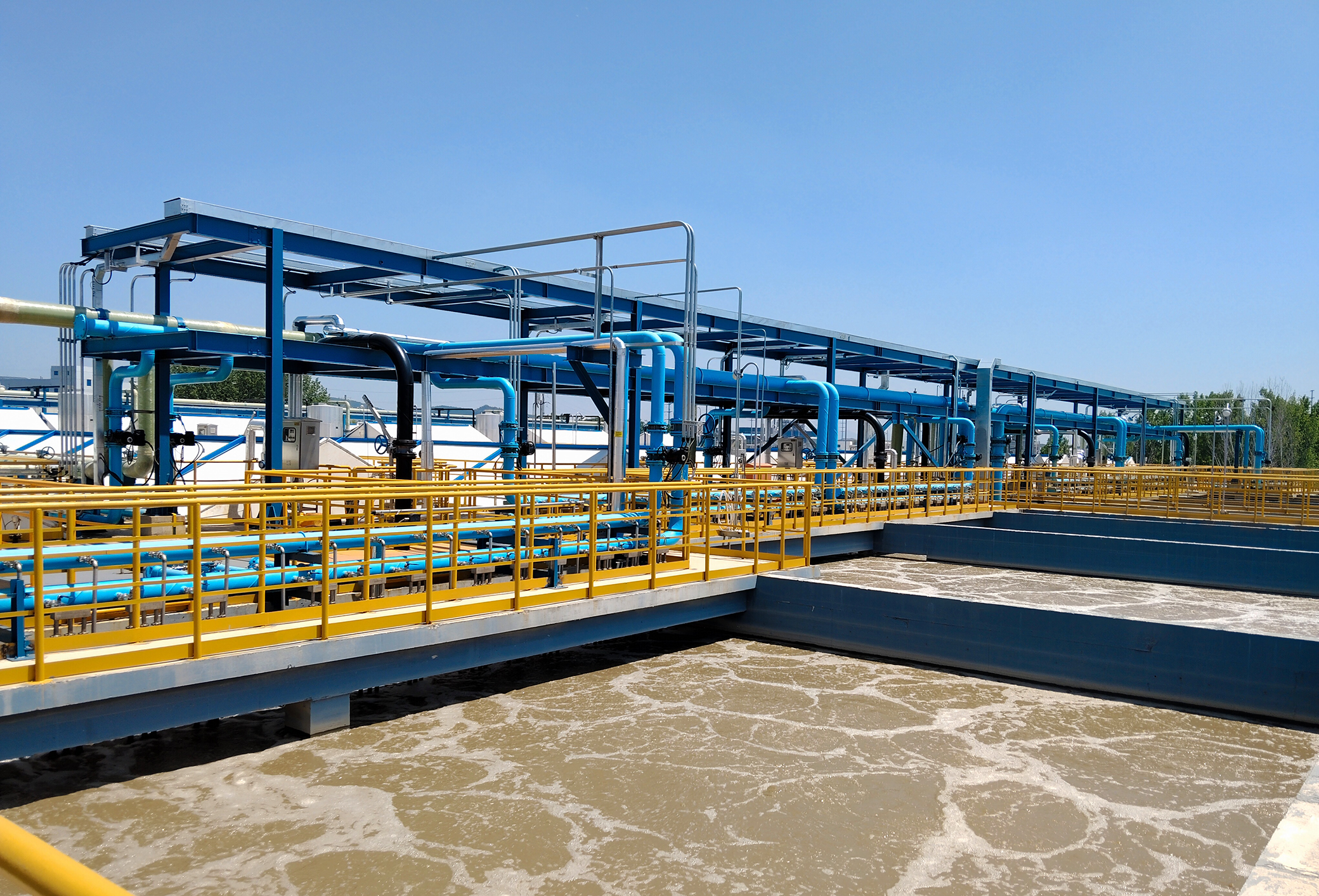
2. Five Key Challenges in Textile Dyeing Wastewater Treatment
01 | High Color and Variable Dye Composition
Different dyes and auxiliaries have different removal characteristics. Color removal depends on dye chemistry, wastewater composition and the selected treatment process. A single treatment method may not be effective for every dye type.
02 | Fluctuating Organic Loading
Batch dyeing, washing and rinsing operations can create variations in wastewater flow and pollutant concentrations. Equalization and appropriate process control may be needed to reduce fluctuations entering downstream treatment units.
03 | Chemical Conditioning and Solids Separation
Coagulant and flocculant selection, dosage and mixing conditions affect the removal of suitable suspended matter and color-associated compounds. These conditions should be established through jar tests or other appropriate treatability studies.
04 | Biological Treatment Compatibility
Biological treatment can reduce biodegradable organic pollutants, but performance depends on the wastewater's biodegradability, toxicity, salinity, temperature and process conditions. Some dye compounds may require additional treatment.
05 | Sludge Collection and Dewatering
Chemical treatment and biological processes generate sludge requiring collection, conditioning where necessary and dewatering. Sludge characteristics and chemical content influence the choice of dewatering equipment and final disposal route.
3. Six Equipment Categories Supporting the Treatment Process
01 | Chemical Dosing System
Provides controlled dosing of coagulants, flocculants, pH adjustment chemicals or other treatment agents as required. Chemical selection and dosage should be determined through wastewater testing and treatability evaluation.
02 | Dissolved Air Flotation System
Generates fine bubbles from pressurized dissolved air to separate suitable suspended particles and some dispersed contaminants. Its suitability for color removal depends on dye chemistry, chemical conditioning and flotation test results.
03 | Magnetic Levitation Turbo Blower
Supplies process air for biological treatment. Blower capacity and operating pressure should be matched to the required airflow, system resistance and biological oxygen demand.
04 | Aeration Diffusers
Distribute air into the biological treatment tank to support oxygen transfer. Diffuser type, layout and operating conditions should be selected according to tank geometry, water depth, wastewater characteristics and required oxygen transfer.
05 | Sludge Scraper
Collects settled sludge from the bottom of clarifiers or sedimentation tanks and directs it toward the sludge withdrawal point. The equipment configuration depends on tank dimensions and the selected solids-separation process.
06 | Multi-Disc Screw Press
Mechanically dewaters suitable sludge generated by chemical treatment or biological processes. Selection depends on sludge characteristics, feed solids concentration, conditioning requirements and target cake solids.
Process Integration
A possible treatment train may include equalization, chemical conditioning and DAF, followed by biological treatment, clarification and sludge dewatering. The actual sequence must be confirmed by testing and engineering design; DAF is not automatically effective for every dye or color compound.
4. Equipment Configuration Built Around Textile Wastewater Characteristics
01 | Support for Color-Associated Pollutant Removal
Chemical dosing and dissolved air flotation can be evaluated together where wastewater testing confirms that chemical conditioning and flotation are effective for the target contaminants.
02 | Biological Treatment Support
The magnetic levitation turbo blower and aeration diffusers provide the equipment needed for controlled air supply and oxygen transfer in suitable biological treatment processes.
03 | Coordinated Solids Separation
The chemical treatment, flotation and clarification stages can be configured to manage suitable suspended solids and the sludge generated during treatment, subject to process testing and design.
04 | A Defined Route for Sludge Management
The sludge scraper supports collection of settled sludge, while the multi-disc screw press supports mechanical dewatering of suitable sludge. Their capacities should be matched to the actual sludge production rate and characteristics.
05 | Procurement Coordination Across Six Equipment Categories
ODMS can coordinate equipment selection across chemical dosing, flotation, aeration, sludge collection and dewatering. A clearly defined supply scope and technical interface plan can help simplify project coordination.
Actual color removal, COD reduction, energy consumption and sludge dewatering performance must be verified using project-specific testing and operational data.
5. Why ODMS for Textile Dyeing Wastewater Projects?
Equipment Selection Based on Wastewater Characteristics
01 | Multi-Stage Equipment Coverage
ODMS offers equipment for chemical dosing, dissolved air flotation, biological aeration, sludge collection and mechanical dewatering, supporting several key treatment functions.
02 | Application-Based Configuration
Textile wastewater varies with fiber type, dye chemistry, auxiliaries and finishing processes. Equipment selection should therefore be based on representative wastewater analysis and treatment testing.
03 | Coordinated Blower and Diffuser Selection
Blowers and diffusers must be evaluated as one aeration system, with airflow, operating pressure, tank depth and oxygen demand considered together.
04 | Sludge Handling Options
Sludge scrapers and multi-disc screw presses support different stages of sludge management. Their suitability depends on tank configuration, sludge characteristics and required capacity.
05 | Technical Coordination for Project Teams
ODMS can review process flow diagrams, wastewater analysis and equipment specifications to help identify suitable equipment configurations for new plants or treatment system upgrades.
6. Planning a Textile Wastewater Treatment Project in Malaysia?
Textile dyeing wastewater varies significantly according to fiber type, dye chemistry, production processes and water reuse practices. The right treatment configuration depends on wastewater flow, color, COD, suspended solids, biodegradability and discharge requirements.
Share your project information to discuss suitable equipment options:
- Design wastewater flow and production capacity;
- Influent COD, color, suspended solids, pH and other available water quality data;
- Dyeing, washing and finishing processes;
- Existing treatment process and process flow diagram;
- Required effluent discharge or water reuse targets;
- Sludge production and dewatering requirements.
CTA: Discuss Your Project with ODMS
Our team can review the available information and help identify equipment configurations based on your wastewater characteristics and treatment objectives.