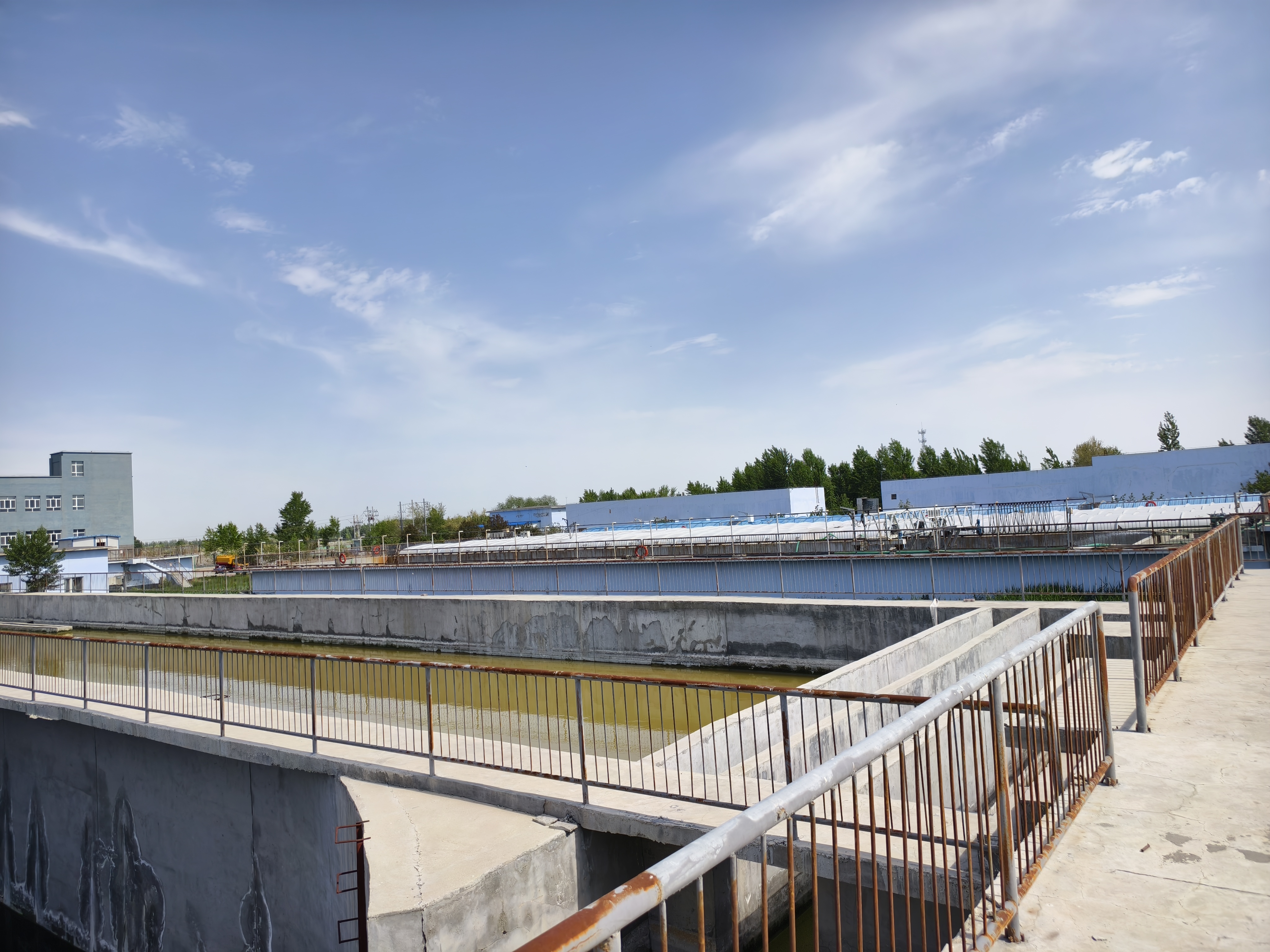
1. Damyang Livestock Wastewater Treatment and Resource Recovery Project, South Korea
Location: Damyang-gun, Jeollanam-do, South Korea
Design Treatment Capacity: 200 m³/d
Wastewater Type: Livestock Wastewater
Treatment Approach: Anaerobic Digestion, Biological Treatment, Energy Recovery and Waste Resource Utilization
Located in Damyang-gun, Jeollanam-do, this project has a design treatment capacity of 200 m³/d and focuses on the centralized treatment of livestock wastewater generated within the surrounding area. The project combines anaerobic digestion, biological treatment and energy recovery as part of an approach to pollutant reduction and the resource-oriented management of livestock waste.
According to the project data, the influent COD is 5,000 mg/L, BOD₅ is 3,000 mg/L, ammonia nitrogen is 1,000 mg/L and suspended solids are 400 mg/L, indicating substantial organic and nitrogen loading.
ODMS supplied six categories of equipment: a chemical dosing system, magnetic levitation turbo blower, dissolved air flotation system, sludge scraper, disc aerators and multi-disc screw press. Together, these equipment categories support chemical treatment, solids separation, biological aeration, sludge collection and mechanical dewatering across multiple treatment stages.
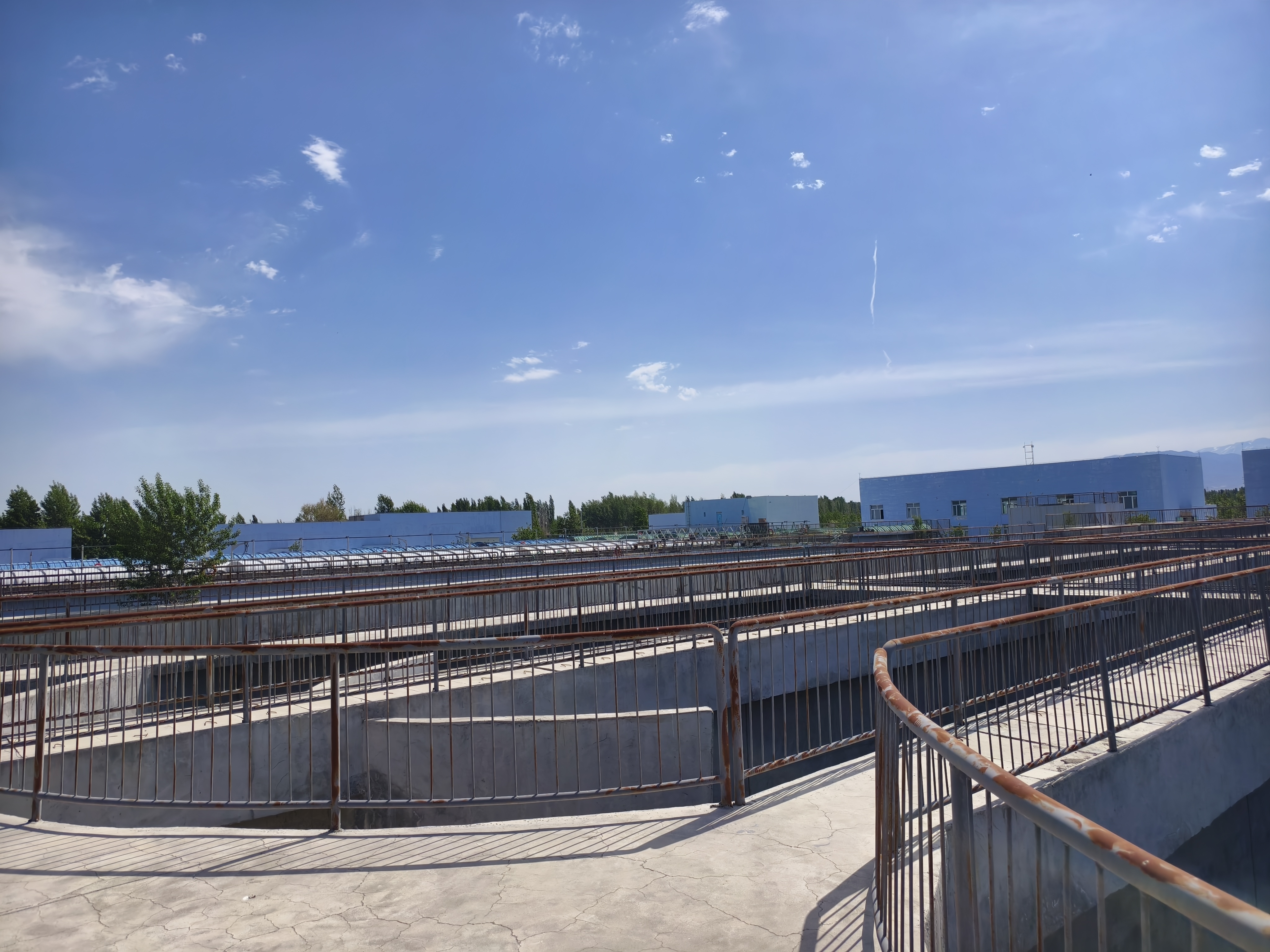
2. Project Challenges: High Organic Loading and Ammonia Concentrations
Livestock wastewater commonly presents high organic concentrations, substantial nitrogen loading and elevated suspended solids. For this project, the treatment system must coordinate anaerobic treatment, biological treatment, solids separation and sludge management.
01 | High Organic Loading
The reported influent COD is 5,000 mg/L and BOD₅ is 3,000 mg/L. This organic loading requires appropriate pretreatment and downstream biological processes to manage the pollutant load.
02 | High Ammonia Concentration
The reported influent ammonia nitrogen is 1,000 mg/L. Ammonia removal requires suitable biological process conditions, with oxygen demand, alkalinity, temperature and biomass performance considered in the design.
03 | Suspended Solids and Separation Requirements
The influent suspended solids concentration is 400 mg/L. Solids and any oil or grease present may affect downstream biological treatment and equipment operation, making appropriate flotation, settling or other separation measures important where required.
04 | Sludge Handling and Disposal
Sludge generated during pretreatment, clarification and biological treatment requires collection and further management. Inadequate dewatering arrangements may increase storage, transportation and disposal burdens.
05 | Coordination Across Multiple Equipment Categories
Chemical dosing, flotation, aeration, sludge scraping and dewatering equipment perform different functions. Their capacities and interfaces must be coordinated with the treatment process and site conditions.
3. Our Solution: Six Equipment Categories Across Key Treatment Stages
To address the characteristics of livestock wastewater, ODMS supplied six equipment categories supporting chemical dosing, physicochemical separation, biological aeration, settled sludge collection and mechanical dewatering.
01 | Chemical Dosing System: Controlled Chemical Addition
The system provides metered chemical dosing for coagulants, flocculants or other treatment chemicals as required by the process. Chemical selection and dosing rates should be determined through wastewater characterization and process testing.
02 | Dissolved Air Flotation: Separation of Suitable Suspended Solids
Air is dissolved under pressure and released as fine bubbles. These bubbles attach to suitable particles or oil droplets, carrying them to the surface for removal. DAF can serve as a pretreatment or solids-separation stage where appropriate, depending on the process design.
03 | Magnetic Levitation Turbo Blower and Disc Aerators: Biological Aeration
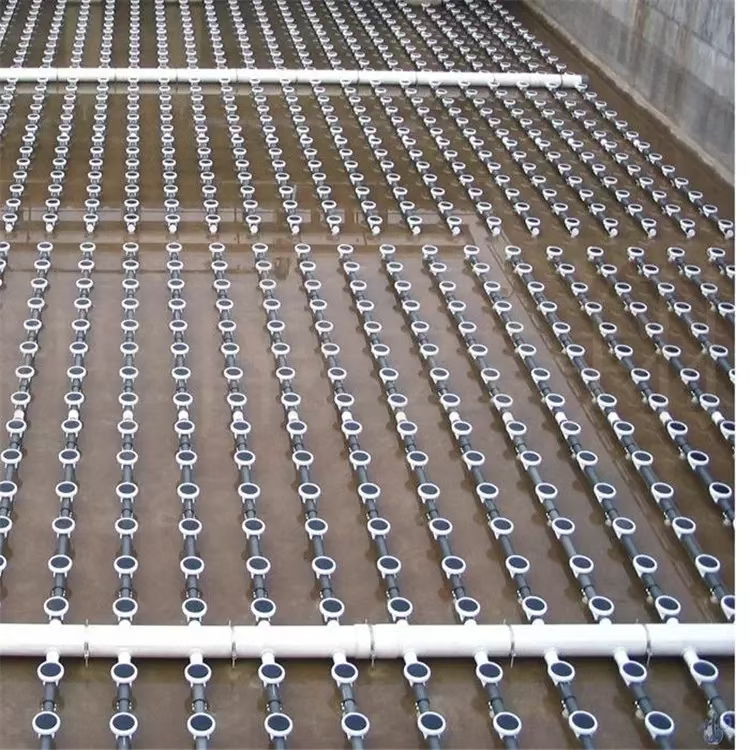
The turbo blower supplies process air, while disc aerators distribute air into the biological treatment tank. Together, they provide oxygen for aerobic microbial activity and associated pollutant degradation. System design should account for tank depth, oxygen demand, diffuser resistance and operating pressure.
04 | Sludge Scraper: Collection of Settled Sludge
The sludge scraper moves settled solids from the bottom of the sedimentation tank toward the designated sludge collection area, supporting downstream sludge transfer and management.
05 | Multi-Disc Screw Press: Sludge Volume Reduction
The multi-disc screw press mechanically dewaters suitable sludge through a screw-and-ring structure, reducing its water content and the volume requiring further handling. Actual performance depends on sludge characteristics, conditioning and operating parameters.
06 | Equipment Coordination Within the Overall Process
These equipment categories support chemical treatment, solids separation, biological aeration and sludge management. The exact process sequence, equipment connections and control strategy must follow the project's actual process flow diagram and engineering documents.
4. Project Value: Coordinated Equipment for Multiple Treatment Stages
ODMS's contribution to this project lies in supplying equipment across several process stages in response to livestock wastewater treatment requirements, rather than supplying a single standalone machine.
01 | Equipment Support for High-Load Wastewater Treatment
From chemical dosing and flotation to biological aeration, sludge collection and dewatering, the six equipment categories support multiple key treatment functions.
02 | Support for Pollutant Removal and Solids Separation
The chemical dosing system and DAF unit can support coagulation and solids separation under suitable operating conditions, while the aeration system serves the aerobic biological treatment stage. Actual removal performance must be evaluated against the process design and operating data.
03 | Aeration Support for High-Ammonia Biological Treatment
The magnetic levitation turbo blower and disc aerators provide air for aerobic treatment. Actual nitrification performance also depends on biological process design, alkalinity, sludge age, temperature and operational control; it cannot be determined from aeration equipment alone.
04 | A Defined Equipment Path for Sludge Handling
The sludge scraper collects settled sludge, while the multi-disc screw press dewaters suitable sludge. These machines serve different stages of sludge management and help establish a more complete sludge-handling equipment configuration.
05 | Coordinated Procurement Across Equipment Categories
Sourcing multiple equipment categories from ODMS can help consolidate technical communication and procurement coordination. Equipment interfaces, technical documentation, supply scope and installation conditions must still be defined during project engineering.
This project demonstrates ODMS's capability to supply multiple categories of equipment for livestock wastewater treatment. Actual effluent performance, energy recovery, sludge reduction and operating cost changes must be substantiated by project operating and acceptance data.
5. Why Choose ODMS for Livestock Wastewater Treatment?
Equipment Supply Aligned with Process Requirements
01 | Multi-Category Equipment Supply
ODMS supplied six categories of equipment for this project, covering chemical dosing, dissolved air flotation, biological aeration, sludge collection and mechanical dewatering.
02 | Understanding of Different Treatment Functions
Each equipment category addresses a different process requirement. We consider the role of chemical treatment, solids separation, oxygen supply and sludge handling when supporting equipment selection.
03 | Aeration Equipment Coordination
The magnetic levitation turbo blower and disc aerators work together to supply and distribute process air. Their configuration must be matched to the biological treatment process and required operating conditions.
04 | Sludge Handling Equipment Integration
Sludge scrapers and multi-disc screw presses address sludge collection and mechanical dewatering, supporting the downstream management of solids generated during treatment.
05 | Engineering-Oriented Project Support
ODMS can review project capacity, wastewater characteristics, process flow diagrams and technical specifications to help identify suitable equipment configurations for livestock and other industrial wastewater applications.
For projects involving high COD, elevated ammonia nitrogen and complex sludge handling requirements, equipment selection should be based on the overall treatment process and verified engineering data.
6. Need an Equipment Solution for Livestock Wastewater Treatment?
Livestock wastewater treatment requires coordinated solutions for organic pollutant removal, nitrogen treatment, solids separation and sludge management. ODMS supplies equipment across these process stages to support project-specific treatment configurations.
Share your project requirements to discuss suitable equipment options:
- Design treatment capacity and influent wastewater characteristics
- COD, BOD₅, ammonia nitrogen and suspended solids data
- Existing treatment process and process flow diagram
- Aeration tank dimensions and operating conditions
- Sludge production, dewatering requirements and disposal arrangements
- Applicable effluent discharge requirements
CTA: Discuss Your Project with ODMS
Our team can review your project information and help identify suitable equipment configurations based on the intended process and operating conditions.